
Loading page…
Loading page…
Discuss a defined maintenance scope using assets, usage and incident records
Building drain maintenance begins with identifying the assets, work and completion checks. PipeButler accepts planned cleaning and maintenance enquiries for commercial and industrial premises and property managers, starting with pipe and chamber lists and incident records. Frequency, methods, emergency call-outs, documents and charges are agreed individually; a contract enquiry does not imply year-round standby or a fixed response time.
See how pricing is assessed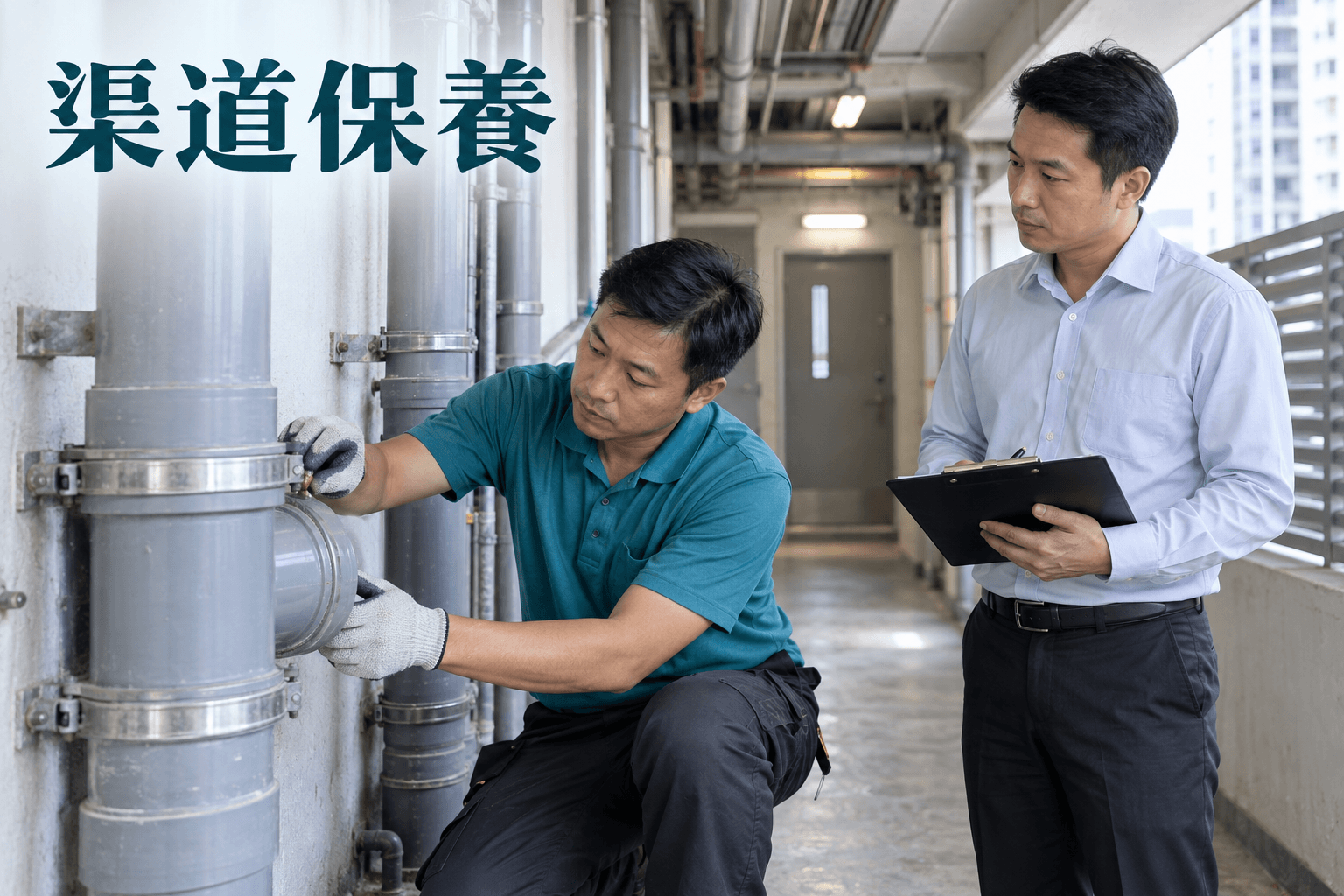
AI-generated scenario image, not a customer-site photograph.
Number pipe sections, outlets and chambers, distinguishing stormwater from foul drainage and unit from shared assets. List accessible points, locations needing keys or registration and undocumented sections. Drawings still need site verification; shown assets are not automatically inspected assets.
Supply records of backflow, complaints, unblocking and repairs. A proposal should distinguish routine work, separate fault investigations and assets handled by another contractor.
Shared washrooms, pantries, food uses and stormwater drains differ in use and deposits; there is no universal monthly interval. Review risk locations, earlier findings and access limits before discussing the first work and review date.
Cleaning addresses suitable deposits but cannot guarantee no recurrence. Damage, gradients, connections or drainage capacity require separate assessment. Maintenance records help distinguish cleaning from the next repair decision.
Planned visits and incident call-outs should be specified separately. Confirm contact arrangements, how availability is established and charges for attendance, overtime, inspection, dismantling, reinstatement and waste handling. Commitments depend on the agreed proposal.
Provide the property name, work locations, desired schedule and document requirements when requesting a quote. Compare scope as well as annual cost: similar prices may cover different assets, methods and records.
Agree the required asset identifiers, dates, methods, testable drainage observations and untreated locations in advance. Confirm whether images, inspection reports or specified forms are included; different records are not interchangeable services.
Retain records after each visit. Before renewal, review recurrence, changes in use and uninspected sections, then adjust scope from that evidence rather than simply repeating the previous contract.
A clear process from enquiry and assessment to an agreed scope of work
Tell us the drain problem and district and ask about available timing.
Confirm timing based on the district and schedule, then inspect the blockage or odour issue.
Explain the proposed approach, scope and price before agreed work begins.
Use suitable tools for the site conditions and agreed scope of work.
After the agreed work, test drainage and explain the observed result and any next steps.
Enquiries are welcome across Hong Kong Island, Kowloon and the New Territories; timing and access are confirmed individually.
WhatsApp with the problem and district, and we will confirm available timing.