
Loading page…
Loading page…
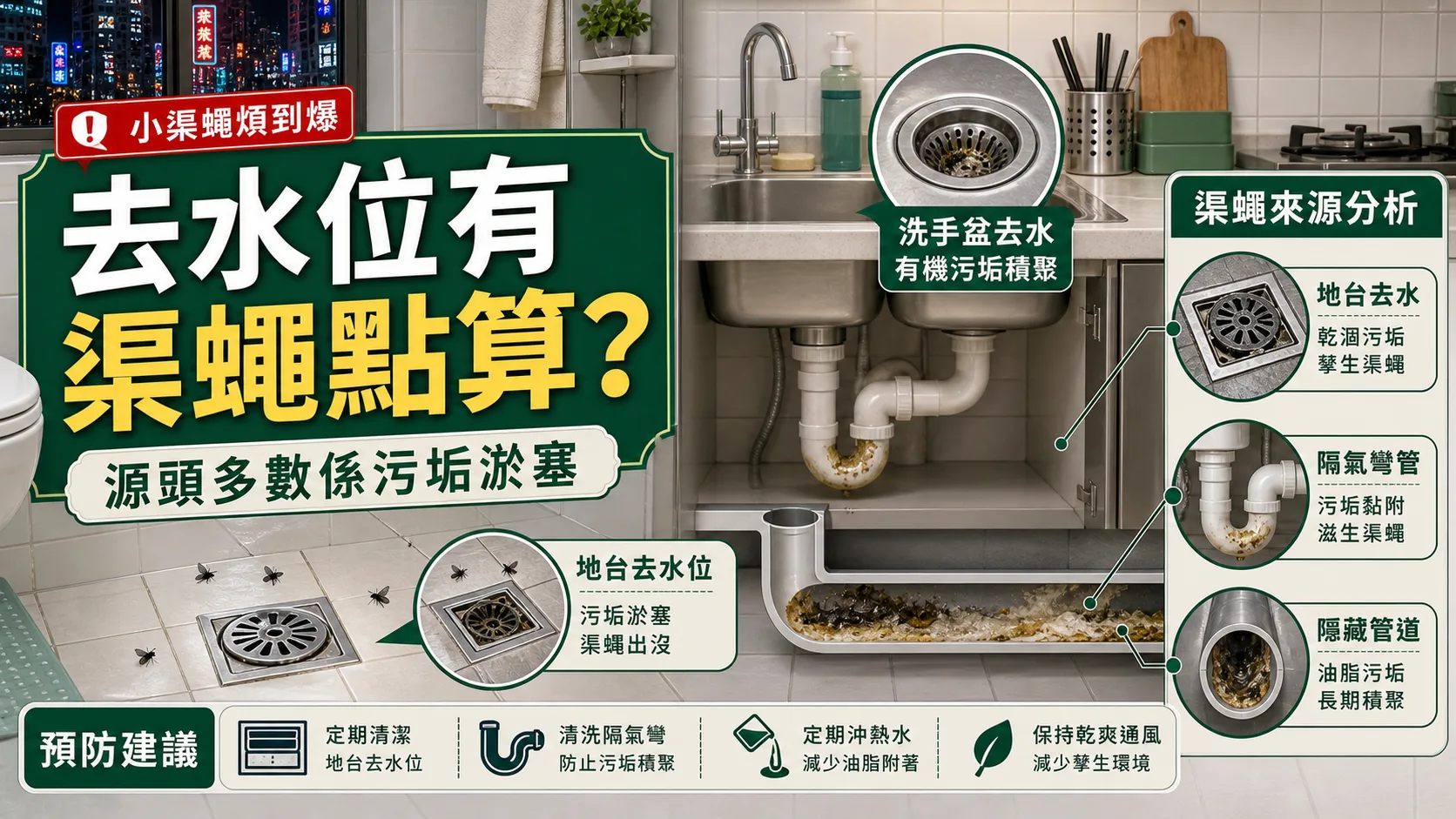
Drain flies often breed in damp organic deposits inside drains and traps. Find the source, remove the build-up, check water seals and prevent recurrence.
WhatsApp with the problem and district, and we will confirm available timing.
When tiny flies appear in a bathroom, kitchen or around a floor drain, reaching for insect spray is a common reaction. If they are drain flies, killing the adults alone rarely lasts: the source may be damp deposits inside an outlet, trap, overflow opening, concealed drain or inspection chamber.
The priorities are finding the source, removing deposits, checking water seals and preventing recurrence. Drain flies commonly breed in organic slime around outlets, traps and slow-draining sections. If there is also odour, slow drainage, black sludge or flies around several outlets, consider pipe cleaning or a drainage inspection.
Drain flies are also called moth flies. Their presence does not necessarily mean a pipe is completely blocked, but it can indicate persistent dampness, organic matter or poor drainage. Treat them as a warning sign rather than simply an insect problem.
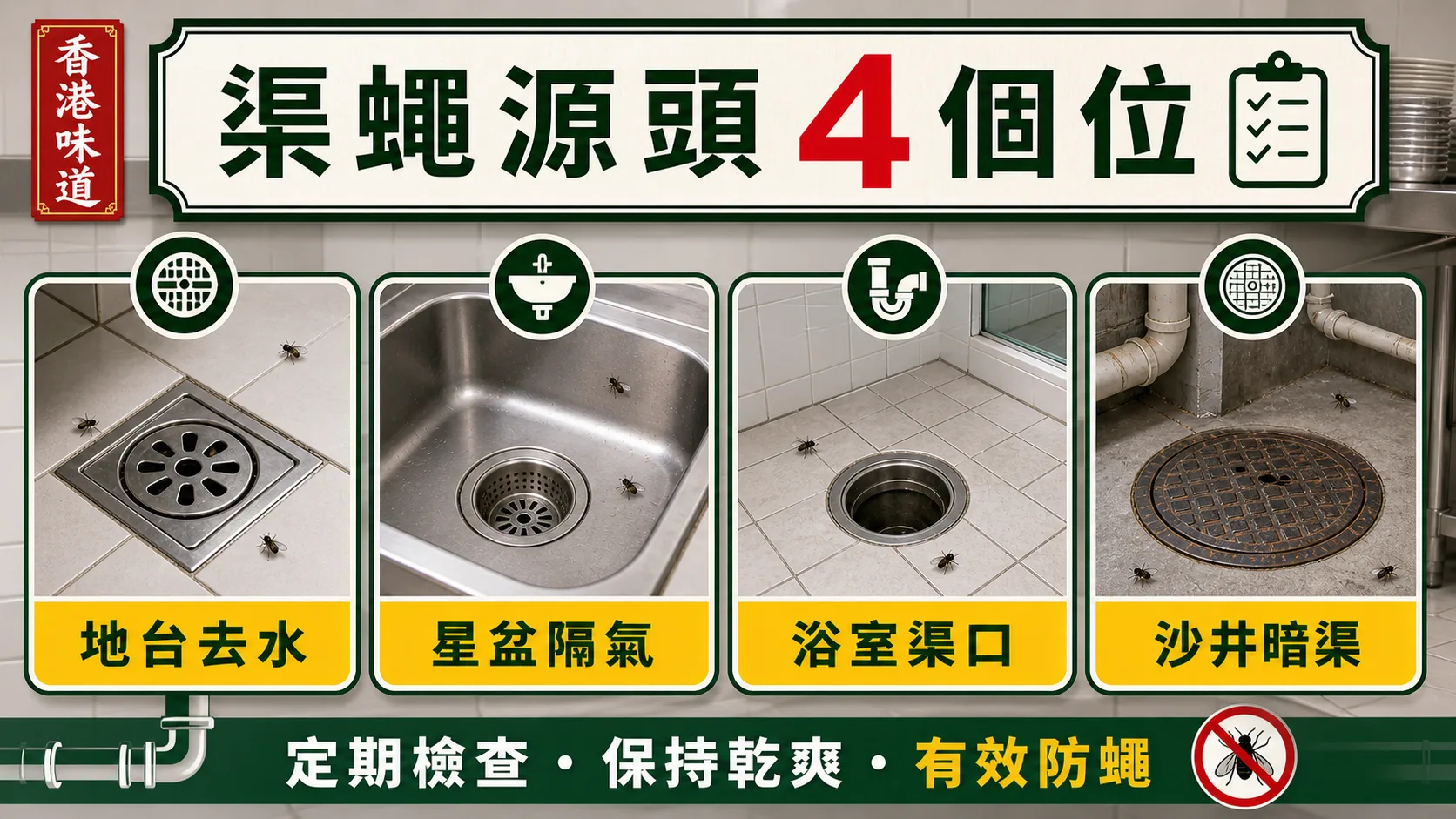
Hair, soap residue, grease, skin debris and wastewater slime can accumulate in bathroom, shower, laundry and kitchen floor drains. These provide breeding conditions. Infrequently used drains may also lose their water seal, making smells and insects more noticeable.
Toothpaste, soap, food particles, grease and black slime collect in traps beneath sinks. Cleaning the basin surface leaves pipe interiors, traps and overflow passages untouched, allowing flies to breed out of sight.
Shower and bath wastes often collect hair and soap residue. Slow drainage can indicate thickening deposits, with flies and odour appearing together. Removing the deposits matters more than masking the smell with fragrance.
Flies at several indoor outlets, together with smells around a rear-lane chamber, water-meter room, platform drain or industrial floor drain, may point to a downstream or shared drain. Do not open covers and attempt deep cleaning yourself: chambers and underground drains can contain harmful gases and present slip hazards.
Drain flies are small, with relatively broad wings that give them a tiny moth-like appearance. They often rest near outlets, wall corners, sinks and damp areas. Fruit flies tend to gather around fruit, food waste, bins and fermenting food. Mosquitoes may bite, and their breeding source need not be a drain.
Location is a useful clue. If the insects concentrate around outlets, are more visible at night or early morning and return after surface cleaning, investigate the drainage source first.
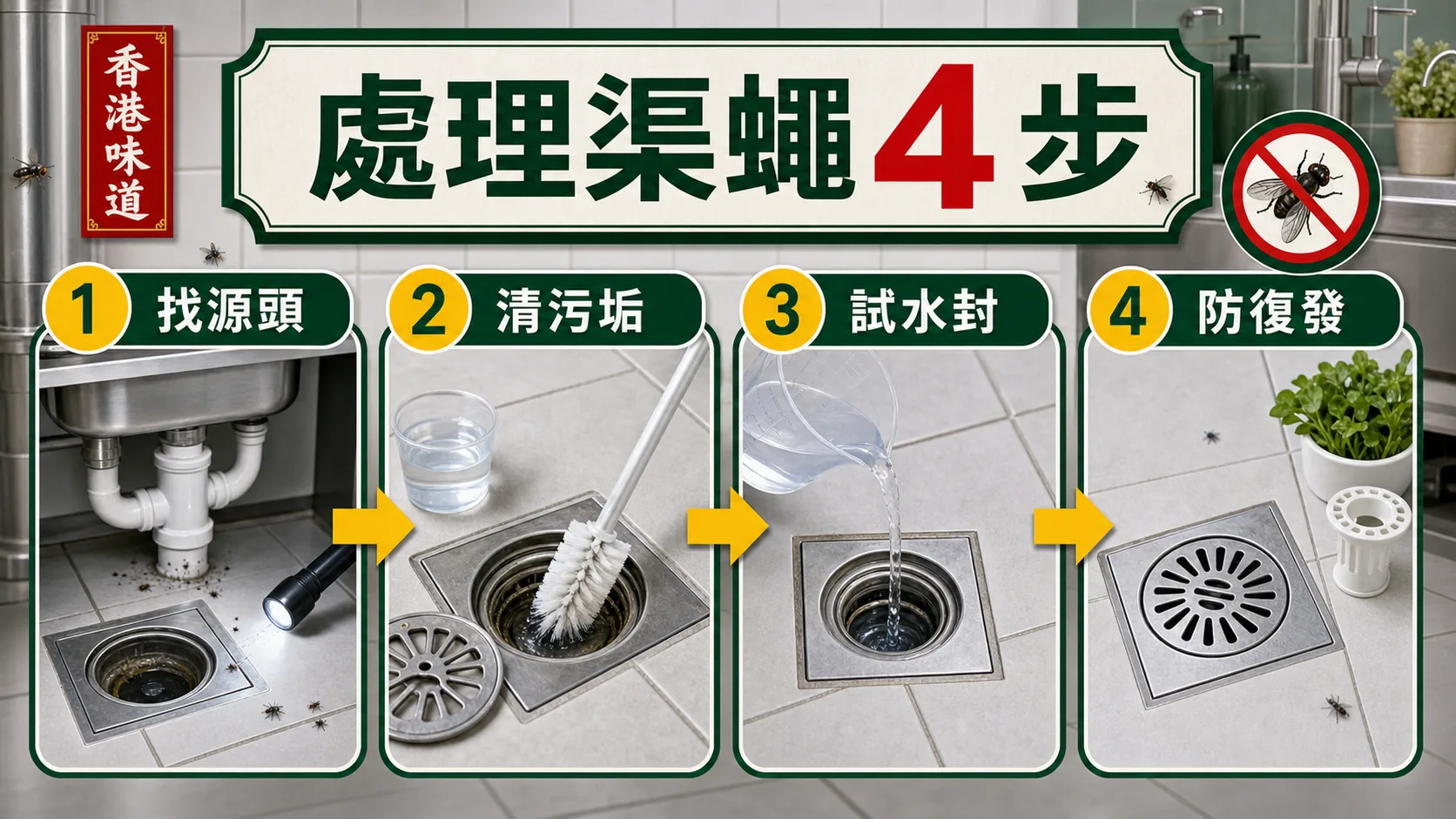
Avoid indiscriminate spraying. Observe where flies rest most often: a floor drain, bathroom basin, kitchen sink, shower, washing-machine drain, rear-lane outlet or bin. Record the busiest times, whether cleaning reduces them and whether slow drainage or odour is present.
Insects confined to fruit, food waste or bins may not be drain flies. Concentrations around outlets and damp corners warrant a drainage check.
Larvae generally develop in damp organic material and slime, rather than clean water. Remove accessible debris from grilles and strainers, including hair, soap and food waste. Clean a removable trap only if you can do so safely and understand its fittings. Collect the material instead of flushing it farther downstream.
Black slime, thick grease or insects returning within days can indicate deposits deeper inside the pipe, requiring pipe cleaning.
Keep water seals in little-used floor drains and traps topped up. A dry seal allows drain gases and insects to enter more easily. Watch for water disappearing rapidly or gurgling. Repeated seal loss can involve the trap, ventilation or drainage layout; see U-traps and water seals.
Repeated flies usually mean the source remains. Remove bathroom hair and soap deposits regularly, keep kitchen grease and food out of drains and replenish little-used traps. Shops and restaurants should include floor channels, grease traps and rear-lane chambers in maintenance. Persistent recurrence needs investigation rather than ongoing insecticide use.
Insecticide can reduce visible adults, but larvae and new adults can remain if deposits are untouched. Bleach and drain cleaner are not universal solutions. Strong acid or alkaline products can create burn, fume and pipe-damage risks, especially in standing water, grease or unknown chemical residues.
WhatsApp PipeButler on 5340 0748 with photos of the insects and outlet, a drainage video and details of any smell. This helps distinguish surface cleaning from unblocking, pipe cleaning, odour investigation or further inspection.
An on-site check first establishes whether insects concentrate at one outlet, then examines the grille, trap, flow, smell, water seal and visible deposits. Accessible hair, soap and organic material can be removed first; deeper deposits may require unblocking or cleaning.
Repeated problems or suspected concealed pipe defects, incorrect connections, collapse, renovation debris or shared drainage issues may call for CCTV inspection. Commercial premises can combine maintenance with appropriate cleaning and disinfection to address hygiene risks.
They are generally not biting pests like mosquitoes. However, their association with toilets, kitchens, wastewater and organic deposits creates a hygiene nuisance. Locate the breeding source and address persistent dirt and dampness.
No. They indicate damp organic deposits, slime or sediment somewhere in the system. If slow drainage, smell, backflow or black sludge is also present, investigate a drainage problem.
Not necessarily. Sprays mainly tackle adults; larvae and deposits can remain. Flies returning a few days later suggest the source was not removed.
A small quantity may not remove thick deposits, and excessive heat can affect some plastic pipes and seals. Physical removal of hair, soap, grease and organic material matters more than temperature alone.
Check for a dry water seal, deposits and slow flow. If topping up the seal and surface cleaning do not help, read bathroom drain odour or arrange inspection of the trap, branch and concealed drain.