
Loading page…
Loading page…
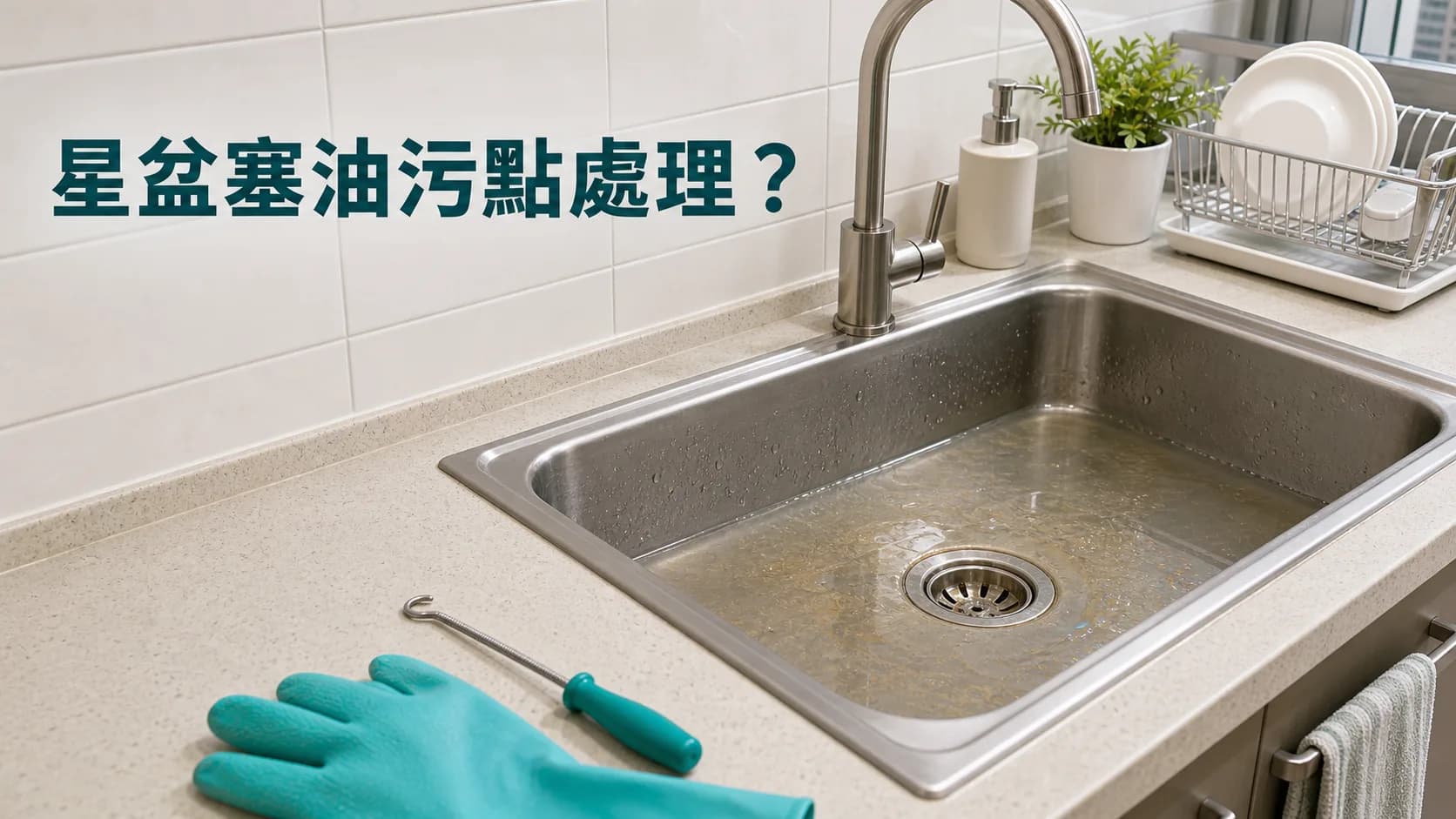
Grease and food can gradually narrow kitchen drainage. Remove accessible debris, avoid chemical mixtures and investigate persistent or recurring slow flow.
WhatsApp with the problem and district, and we will confirm available timing.
A kitchen sink usually slows gradually. Oil, soup, sauces and food particles enter the outlet, cool and adhere to pipe walls, then catch soap and further debris. Slow flow can develop into standing water, odour and complete blockage.
Stop using the sink and clear the strainer and accessible outlet debris. Never mix drain cleaner, bleach, baking soda and vinegar. Standing water or odour warrants assessment of the restriction rather than further additions.
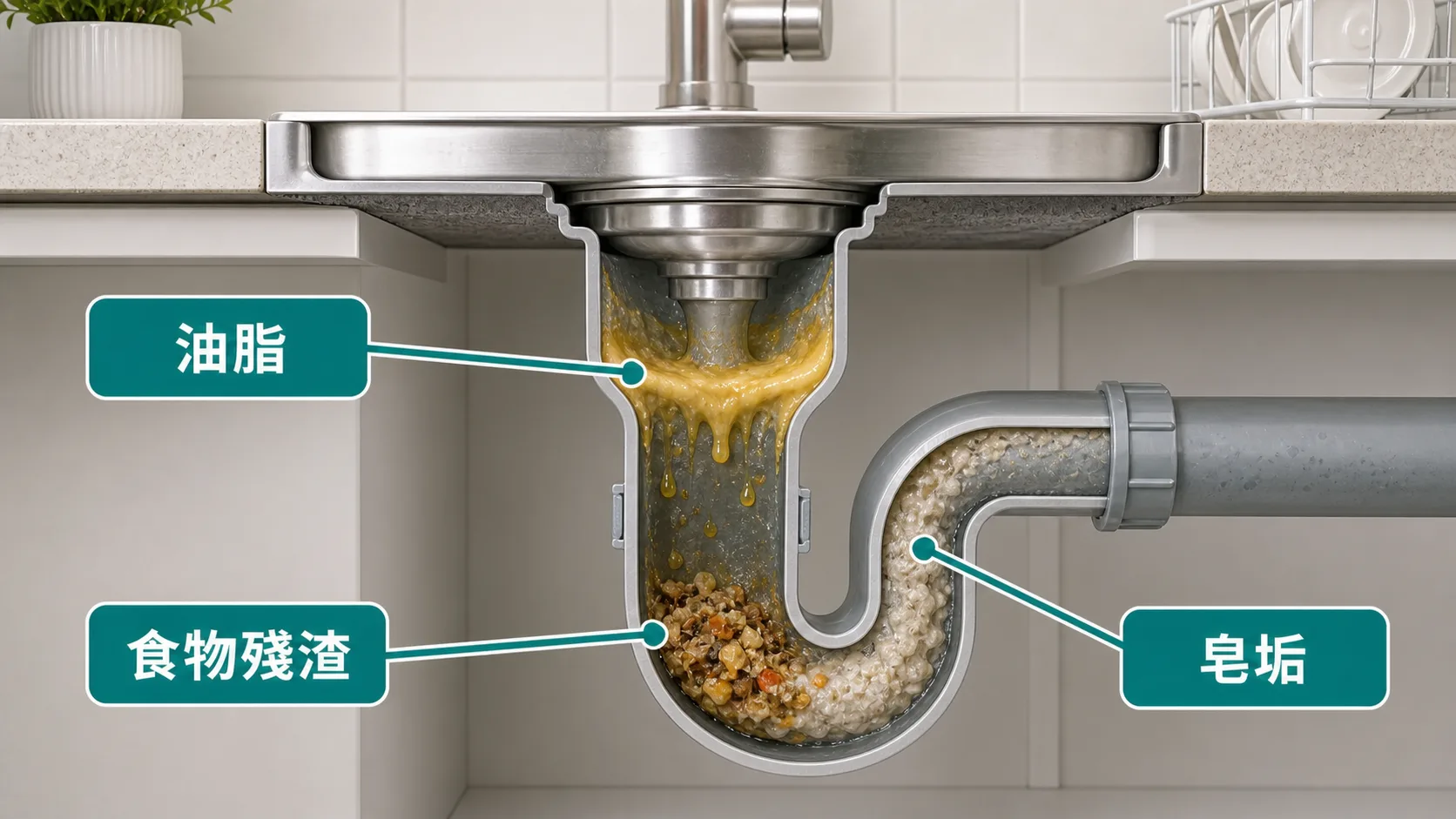
Oil, stock and sauces may be liquid when poured away, but cool inside pipes and gradually form sticky deposits. Rice, vegetables, tea leaves, coffee grounds and washing-up residue add to the layer until the pipe narrows.
The source refers to EPD grease-trap information for restaurants and food factories: grease must be intercepted and retained waste removed regularly for effective operation. Domestic sinks may not have commercial traps, but the prevention principle is the same—keep grease out of drainage.
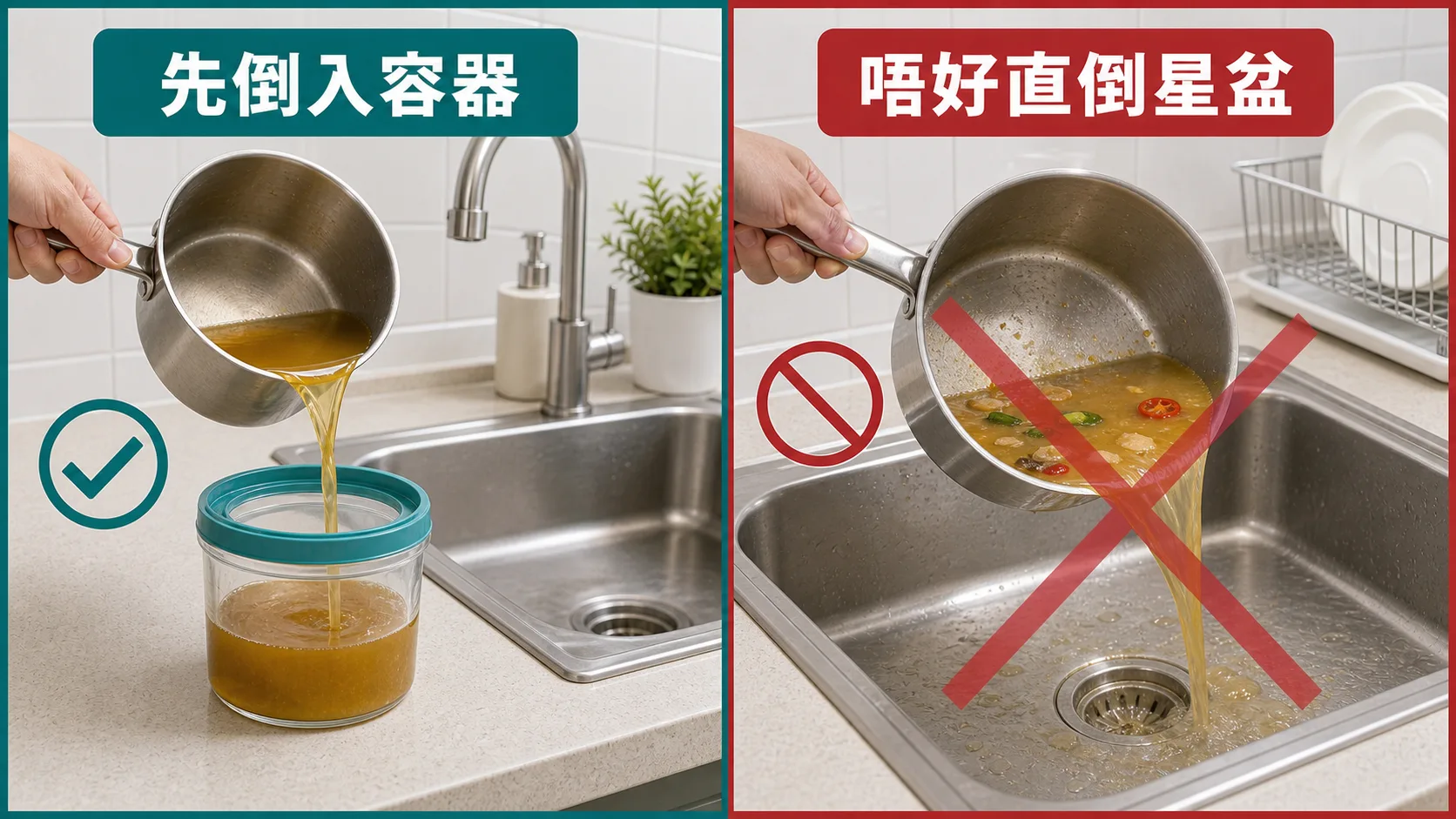
Warm water and normal cleaning may remove a light film. Thick grease may only soften temporarily before cooling farther downstream, shifting rather than resolving the restriction.
Household mixtures have limited effect on thick grease, food bundles and deep wall deposits. Never combine them with bleach, drain cleaner or other chemicals.
Normal flow returning after strainer cleaning suggests a surface or near-outlet problem. Continuing slow flow with under-sink odour or gurgling can indicate trap or downstream deposits.
Repeat blockage, slowing within days of clearance or odour at other outlets suggests a wider issue that may require appropriate mechanical tools or pipe cleaning.
WhatsApp PipeButler on 5340 0748 with a drainage video and photos beneath the sink. These help identify the likely section and agree the appropriate work before starting.
No, although grease and food are common. Loose trap fittings, inadequate falls, deeper deposits and shared drainage faults can also contribute.
Large quantities are not recommended. Heat may affect plastic, seals and joints, while grease can cool and solidify farther downstream. Light cleaning may use warm water; serious slow flow needs assessment.
Some products react with organic deposits but may not remove thick layers, food bundles or deep restrictions. They also pose corrosion and splash risks, particularly in standing water.
PipeButler assesses sinks, basins, outlets, toilets, chambers and building drainage. Depending on deposits and pipe condition, the work may involve suitable hand tools, cleaning or jetting after the scope is agreed.